
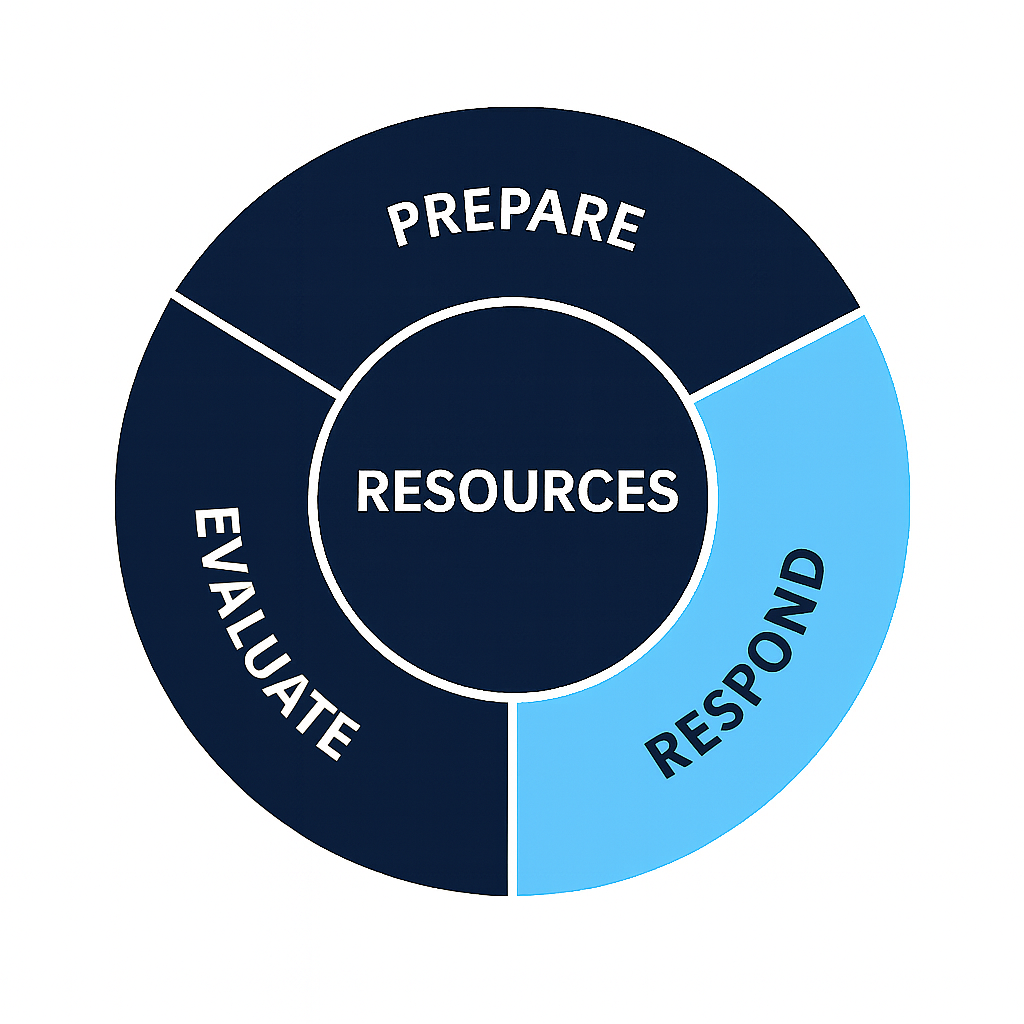
Communicating With Partners
Benefits:
Send to large groups at once.
Controlled content.
Targeted for audience.
Drawbacks:
Not opened timely.
Stakeholder turnover issues.
List needs constant updating.
Text Notifications
Benefits:
Widespread reach.
Good for urgent alerts.
Direct to stakeholders.
Drawbacks:
Requires opt-in effort.
Message length limited.
Links seen as phishing scams.
Dashboards
Benefits:
Consistent communication.
Access on-demand.
Auto-updates with data.
Considerations:
Requires users to actively check.
Accessibility compliance.
Social Media
Social media is another tool used to communicate messages with stakeholders. There are many platforms, and different generations have preferences for different ones including Facebook, Instagram, TikTok, and X (formerly Twitter). These platforms may be more helpful when sharing public messages, notifications, or actionable steps.
Benefits:
Consistent communication.
Access on-demand.
Auto-updates with data.
Considerations:
Leverage often-overlooked platforms with universal reach:
LinkedIn (professional users)
YouTube (all age groups)
QR Codes
When hyperlinks can't be used.
When typing URL takes too long.
Pasting on physical materials (flyers, posters).
Multilingual Communication
States and local communities should be aware of the need to create targeted public messaging in languages other than English to reach their entire constituency with messages. Start by identifying specific languages and dialects spoken in the target area. Use a professional interpreter to ensure message consistency. Translate verbal and written messages into multiple languages. Avoid acronyms as much as possible, as they may not translate or may have different meanings in different languages.
Communication Content
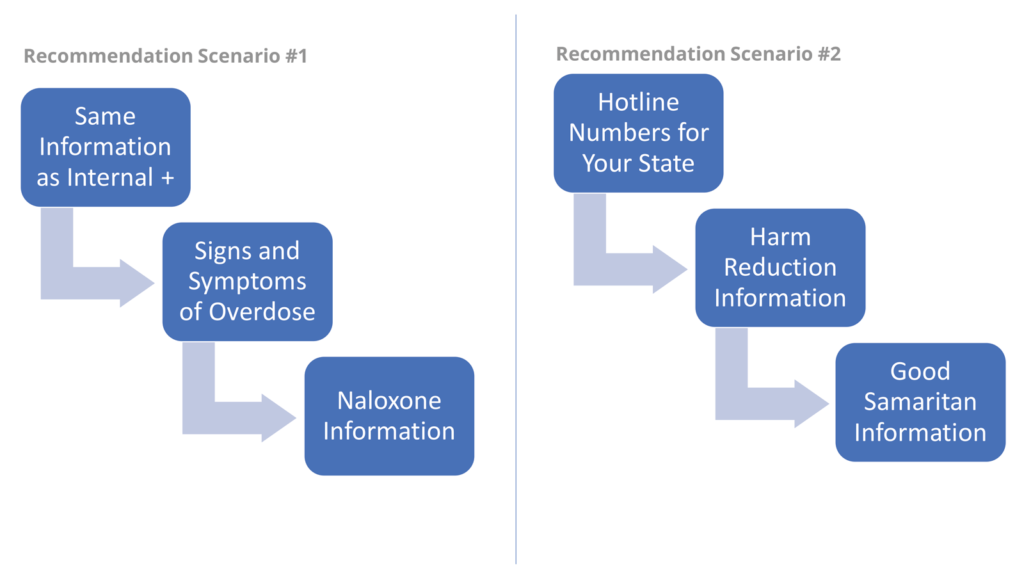
Developing the content of communications may be best accomplished through a stakeholder workgroup. Using collaborative input from the recipients of the intended messages can help accomplish the goals of sharing these communications. Some of the suggested best practices for content inclusion are listed for each type of stakeholder.
Recommended content to share with internal stakeholders:
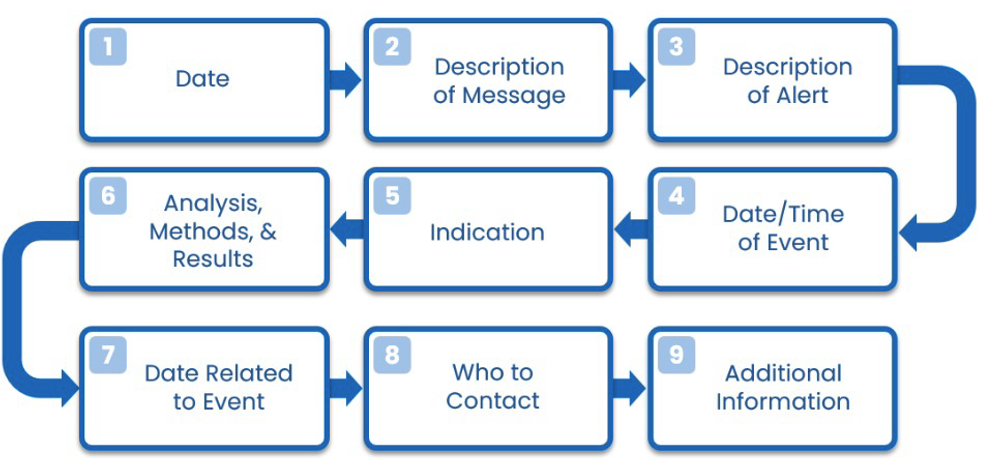
Recommendations for external stakeholder communications:
Communicating with the Public
Work with the public health agency’s communications staff to create specific messages for each of the communication methods decided upon. While some staff members will have the subject matter knowledge to contribute content for these communications, the communications staff will be best prepared to assist with public release of the information according to the rules of the organization and in accordance with state laws.
Continue The Toolkit
< Previous: Mitigation
Next: Evaluate Overview >